


Hormuz tensions deepen as Iran puts 77 vessels on non-compliance list

September 16 ------ Tensions in the Strait of Hormuz are escalating, with Iran placing 77 vessels on a newly published “Non-Compliance List” as conflicting accounts over an attack on a tanker highlight the growing risks facing commercial shipping in the region.
The list, published by the Persian Gulf Strait Authority (PGSA), warns that vessels deemed to have breached Iranian protocols governing passage through the Strait could face restrictions on future transits, including fines, detention or confiscation.
The authority also warned insurers, protection and indemnity (P&I) clubs and classification societies against providing services to listed vessels, citing potential consequences for dealing with them.
Cargo interests shipping to or from the Gulf have been urged to check the list before chartering vessels, while ships involved in operations with a listed vessel, including ship-to-ship (STS) transfers and transshipment activities, could themselves be added to the register.
The PGSA did not disclose the specific violations attributed to the 77 vessels. Vessels seeking removal from the list must submit a formal application setting out the reasons for their request, according to the authority.
Conflicting accounts over tanker attack
The latest dispute centers on the Panama-flagged oil tanker El Gaia, with Iran’s Islamic Revolutionary Guard Corps (IRGC) and the US military offering sharply different accounts of what happened to the vessel.
The IRGC claimed El Gaia had recently struck a naval mine while transiting the Strait of Hormuz. US Central Command (CENTCOM) rejected the claim, describing it as false.
According to CENTCOM, El Gaia was struck by an Iranian missile last month and rendered inoperable. The command said the tanker was attacked again by a drone over the weekend while it was stationary off the coast of Oman. CENTCOM said the vessel is now being towed by a regional partner.
The competing accounts have added to uncertainty surrounding the security environment for commercial vessels operating through the strait, where shipowners and operators are already facing heightened risks from missile, drone and other military activity.
Shipping risks remain elevated
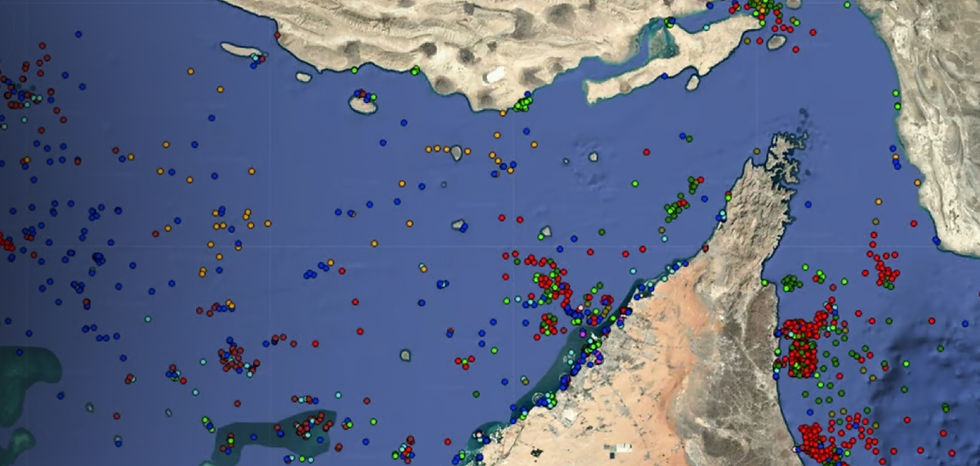
The dispute comes as maritime security assessments continue to warn of significant risks in the Strait of Hormuz, with more than 100 vessels to have reportedly been seized or damaged during the wider Middle East conflict.
Recent assessments from UK Maritime Trade Operations (UKMTO) and the Joint Maritime Information Center (JMIC) have continued to highlight the threat to commercial shipping, despite US claims that mines have been cleared from established shipping lanes.
UKMTO also said on 15 September that it had received a delayed report of an incident inside the Strait of Hormuz. A verified source reported that a vessel had been struck by an unknown projectile. There was, however, no reported damage or environmental impact from the incident, according to the initial information provided to UKMTO.
Hormuz talks postponed
The latest escalation comes as diplomatic efforts to address the future of shipping through the Strait of Hormuz have also been delayed. Iran said a planned meeting with officials from Gulf States to discuss management of the waterway had been postponed because of “events unfolding in Yemen”.
Iranian Foreign Ministry Spokesman Esmaeil Baghaei, speaking at a news conference on 14 September, said Oman and Iran had taken a joint decision aimed at reaching a “responsible” approach to managing the Strait.
The postponement adds another layer of uncertainty for an international shipping industry already confronting elevated security costs, insurance concerns and operational risks across the Middle East’s key maritime corridors.
For now, ships and crew continue to face an operating environment in which the threat may come from the water, the air, or from the rules imposed on the passage itself, and as diplomatic efforts stall, the Strait of Hormuz looks set to remain one of the most closely watched and most hazardous stretches of water for the global merchant fleet.
Source: safety4sea.com

Comments