


Weather accounted for 84.6% of urgent maritime safety broadcasts in 2025

September 13 ------ Inmarsat Maritime has launched a new Maritime Safety Data Hub that combines GMDSS distress data and maritime safety broadcasts to provide insights into the risks shaping global shipping.
Weather dominates maritime safety broadcasts
According to Inmarsat, what makes this year’s dataset uniquely powerful is what sits alongside the distress data: analysis of over 106,975 maritime safety broadcasts reveals that, on average, approximately 10 weather warnings were transmitted in the 12 hours before each distress event. The warning signal exists. The question is how effectively it is being used
The analysis, conducted with supply chain consultancy SeaFocus, found that weather accounted for 84.6% of urgent maritime safety broadcasts in 2025 (97.4% of maritime safety broadcasts were routine Safety messages — only 2.6% classified as Urgent), with storms representing 75% of identified weather hazards.
In addition, Inmarsat received 741 GMDSS calls in 2025, with 788 calls in 2023 and 801 in 2024. On the surface, that reads as progress. But look deeper and the picture is more complicated. The 2025 figure sits close to the six-year annual average of 799 calls recorded between 2018 and 2021.
The 741 distress calls were matched to weather conditions, with storms dominant in 59.6% of cases (442 calls) and gales in 39.8% (295 calls). On average, 98.4 weather messages were transmitted in the 12 hours preceding a distress call.
Despite comprising just 4% of overall weather hazards, tropical cyclones generated over 99% of all urgent weather broadcasts, reflecting their outsized operational and safety significance.
"By bringing weather information together with distress data, the Inmarsat Maritime Safety Data Hub introduces a powerful new layer of maritime intelligence. The unique insights made available through this research will help the industry better understand the factors shaping maritime safety – and move from simply reacting to incidents to exploring the conditions, patterns, and emerging risks that surround them," explained John Dodd, Director of Maritime Safety, Inmarsat Maritime.
Geopolitical tensions, shadow fleet, and spoofing create significant risks
As informed, tankers recorded the highest number of distress calls among vessel types, with 203 calls, followed by bulk carriers with 105.
Tanker risk is no longer defined solely by weather and machinery failure. Operators are now navigating sanctions regimes, electronic interference and the rise of shadow fleets operating beyond mainstream regulatory frameworks, particularly along Middle East and East Asia energy corridors.
For bulk carriers, the findings tell a different story. Despite significant advances in vessel design and decades of regulatory reform, many of the sector’s most serious threats remain unchanged. Machinery reliability and cargo-related risks continue to dominate incident reports, raising questions about whether regulatory frameworks are keeping pace with operational realities.
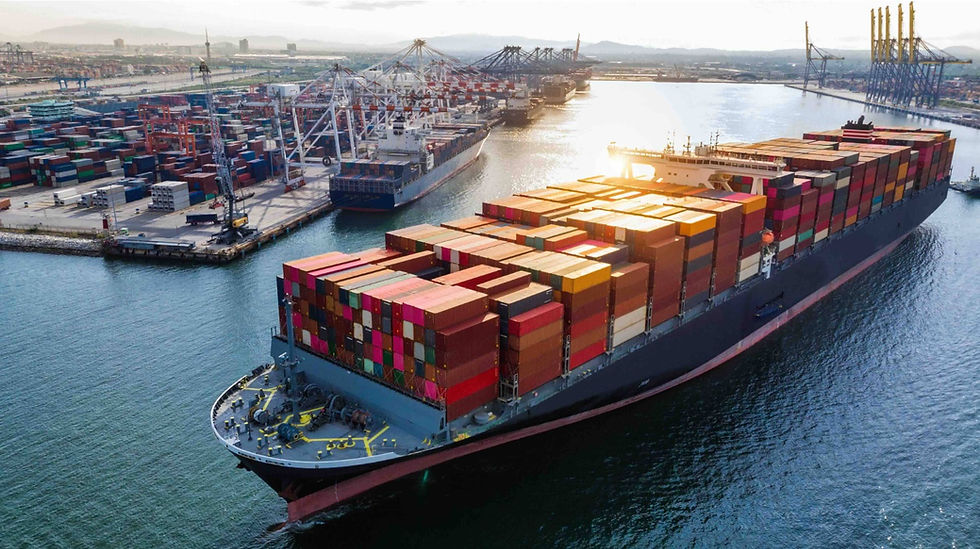
Container ships accounted for 54 GMDSS calls, the fifth-highest total among vessel types, and were also affected by GPS spoofing. Few sectors have felt the impact of geopolitics more acutely than container shipping. Throughout 2025, major operators continued diverting vessels around the Cape of Good Hope to avoid attacks in the Red Sea. The rerouting added up to two weeks to voyages, increasing fuel consumption, crew workloads and vessel exposure — while GPS disruption in conflict-affected regions added a further layer of navigational complexity.
Energy transition creates new high-stakes environments
Offshore wind expansion and LNG growth are placing vessels in complex, unfamiliar operating environments with little margin for error. Offshore distress calls reflect a sector under pressure to scale rapidly while managing safety risks that existing regulatory frameworks were never designed to address. The energy transition is changing risk profiles faster than the industry can respond.
Source: safety4sea.com


Comments