


Shipping industry targets plastic footprint with new sustainable procurement guideline
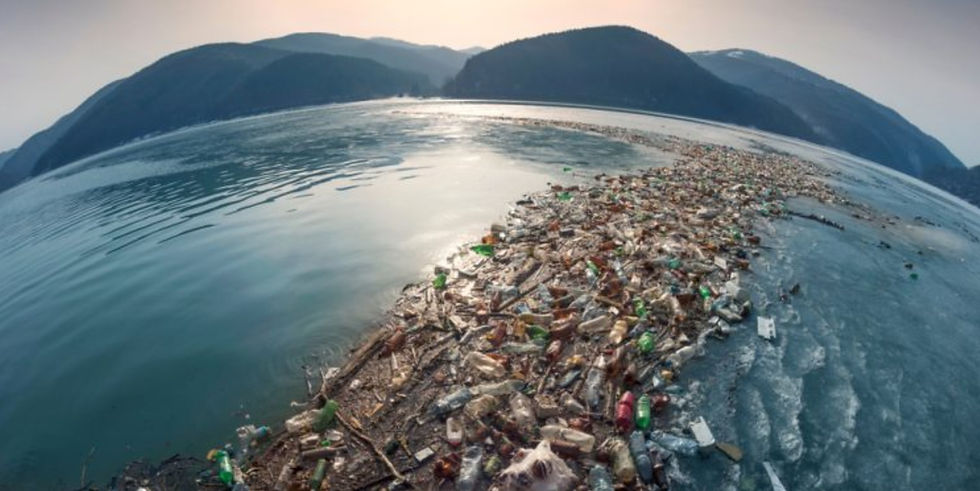
July 17 ------ The Maritime Association for Clean Seas (MACS) has released a series of practical guides aimed at helping the commercial shipping sector adopt more sustainable approaches to plastic procurement and reduce marine plastic pollution.
Despite continued commitments from governments and companies to tackle plastic pollution, global plastic waste levels continue to rise, driven by increasing production and ongoing challenges in reducing plastic output. During its 13th session (PPR 13), held from 9 to 13 February 2026, the IMO Sub-Committee on Pollution Prevention and Response (PPR) finalized the 2026 Strategy and Action Plan to Address Marine Plastic Litter from Ships. To that end, the newly published guides are intended to support shipping companies, suppliers and other maritime stakeholders in adopting more consistent approaches to managing plastic use and reducing marine plastic pollution in line with IMO objectives.
Developed through MACS’ Sustainable Plastic Procurement Working Group, the publications bring together industry stakeholders to identify ways to reduce unnecessary plastic consumption, improve procurement practices and encourage stronger sustainability standards across the maritime supply chain. "Reducing the plastic footprint of shipping is critical but there are significant barriers to overcome. These guides provide the industry with a clear framework for collaborative action to make real progress in this direction," said Oliver Kade, Director of MACS, an industry initiative led by Singapore-based ocean impact organization Seven Clean Seas.
In an exclusive interview with SAFETY4SEA, Oliver Kade pointed that while negotiations for a global treaty on plastic pollution may be delayed by geopolitical disagreements, the environmental and socio-economic impacts of plastic waste continue to intensify. More than 900 marine species are already affected by plastic debris, with over 100 classified as endangered.
Tackling plastics dependency
This is the first in a series of MACS working groups geared to minimizing plastics use across the maritime value chain by promoting best practices and collaboration in the areas of procurement and waste management to comply with the IMO Action Plan on marine litter, which requires measures to reduce plastic pollution from ships to be implemented by 2030.
While the IMO Action Plan on marine litter has created an important policy direction for reducing plastic pollution from ships, much of the focus to date has been on how plastics are managed once they have already entered vessel operations or become waste. MACS’ Sustainable Plastic Procurement Working Group focused on an earlier intervention point: how to prevent unnecessary plastic from entering the maritime value chain in the first place. “The most sustainable plastic is the plastic that is never used,” according to Kade.
But reducing plastic use in shipping is not always simple. The group found three common barriers:
• The industry does not always use the same language when talking about plastic. Terms such as recyclable, recycled content, compostable and plastic-free can mean different things to different people.
• Plastic alternatives are often difficult to adopt. Procurement teams need to know that any alternative is safe, affordable, available and practical to use onboard.
• Shipping companies often ask suppliers for different things. This makes it harder for suppliers to invest in better products and packaging at scale.
"From our experience, one of the biggest challenges in turning plastic reduction ambition into action is the lack of clear and consistent signals to suppliers across the maritime industry. These guides are valuable because they help us to establish a common language with suppliers, priorities the most relevant plastics, and make more informed, consistent procurement decisions," commented Michael Blanding, Head of Sustainability & Communications, Berge Bulk.
Overcoming complex barriers
The guides were informed by a series of working group meetings and a recent roundtable discussion that brought together 53 participants from 28 organizations across the global maritime value chain and included participation from MACS members and partners such as Berge Bulk, Pacific International Lines, X-Press Feeders, Bernhard Schulte Shipmanagement, DP World, PT Scorpa Pranedya, Britoil and Howden.
Among the key guides are:
• Working group report: Sustainable plastic procurement in commercial shipping.
• Maritime plastics taxonomy: A common language for sustainable procurement.
• Priority maritime plastics: Phase-out pathways and timelines.
• Decision support: A practical framework for assessing lower-plastic solutions
Yasas Telwatta, General Manager of Marine Services – Asia Pacific, Control Union, highlighted that one of the biggest challenges in reducing plastic use in shipping is translating ambition into practical, day-to-day decisions onboard and across the supply chain. "The work done through the MACS Sustainable Plastic Procurement Working Group brings much-needed clarity and structure to this, helping the industry move towards more consistent and informed procurement practices. As a knowledge partner, Control Union sees strong value in supporting this shift through practical implementation and on the ground verification across the regions where we operate," said Telwatta.
Furthermore, the three practical guides will be open for public consultation from 16 July to 16 August 2026, giving industry stakeholders, suppliers, associations, and subject-matter experts the opportunity to provide feedback before final versions are confirmed.
MACS is inviting maritime companies, suppliers, ports, caterers, logistics providers, industry bodies, and sustainability professionals to review the guidance and contribute to the consultation process.
Source: safety4sea.com


Comments