


Russia's Largest Oil Refinery Stops Processing After Ukraine’s 3,000-km Strike
- 1 hour ago
- 2 min read
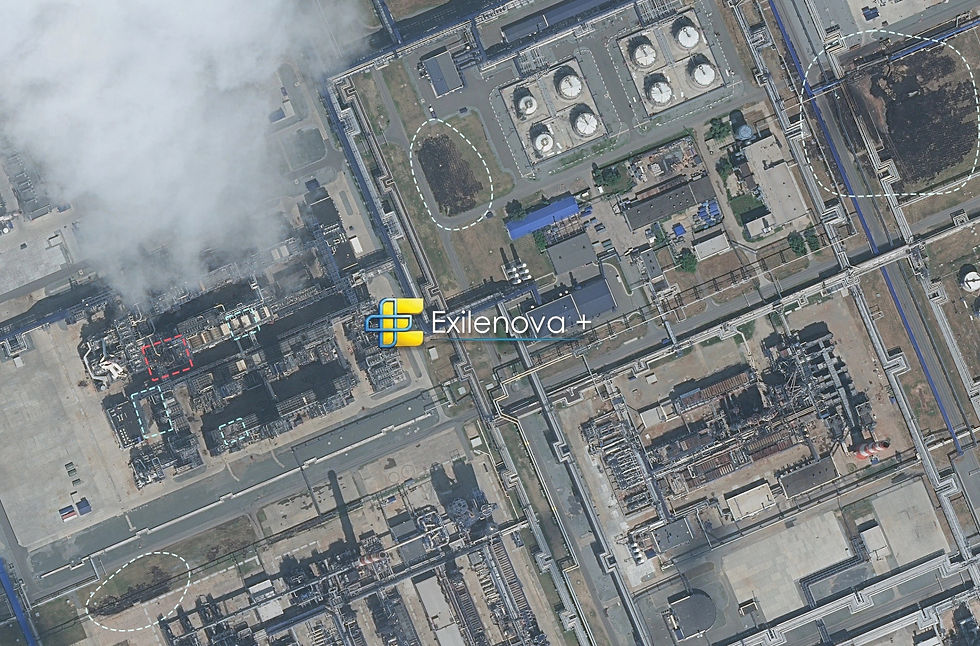
July 9 ------ Russia ‘s largest oil refinery in Omsk, owned by Gazprom Neft, has reportedly halted operations following a Ukrainian drone strike on Monday, according to Reuters, citing two industry sources. The refinery, located roughly 3,000 km (1,864 miles) from Ukraine, was hit in one of Kyiv’s deepest-reaching drone attacks of the war.
According to Reuters, the Omsk refinery processed 22 million metric tons of crude oil (about 440,000 barrels per day) in 2024 and produced approximately 5 million tons of gasoline and 8 million tons of diesel, making it one of Russia’s most important fuel production facilities. “The halt in operations at the plant, which is Russia’s top producer of gasoline, is likely to exacerbate fuel shortages across the country,” the report said.
Anatoly Seryshev, Russian President Vladimir Putin’s envoy to the Siberian Federal District, confirmed that the refinery sustained damage. “Facilities at the Omsk oil refinery were damaged as a result of Monday’s attack. No plant personnel were injured,” he said in a statement on Tuesday. Seryshev added that specialists were assessing the damage and carrying out restoration work but did not specify how the strike had affected refinery operations. Gazprom Neft did not immediately respond to Reuters’ request for comment.
According to Reuters’ sources, the attack damaged the CDU-10 crude distillation unit, which accounts for about 38% of the refinery’s processing capacity, or 24,580 metric tons of crude per day. The unit reportedly caught fire during the strike. According to exchange data, the refinery also suspended gasoline and diesel sales on the St. Petersburg International Mercantile Exchange starting Tuesday.
A second primary processing unit, CDU-11, which accounts for another 37% of the refinery capacity and can process 24,000 metric tons of crude per day, was also shut down, the sources said. Although CDU-11 was not directly hit, damage to supporting infrastructure forced it offline. However, sources told Reuters that the unit, which entered service in 2023, could resume operations in the near future.
Source: kyivpost.com



Comments