


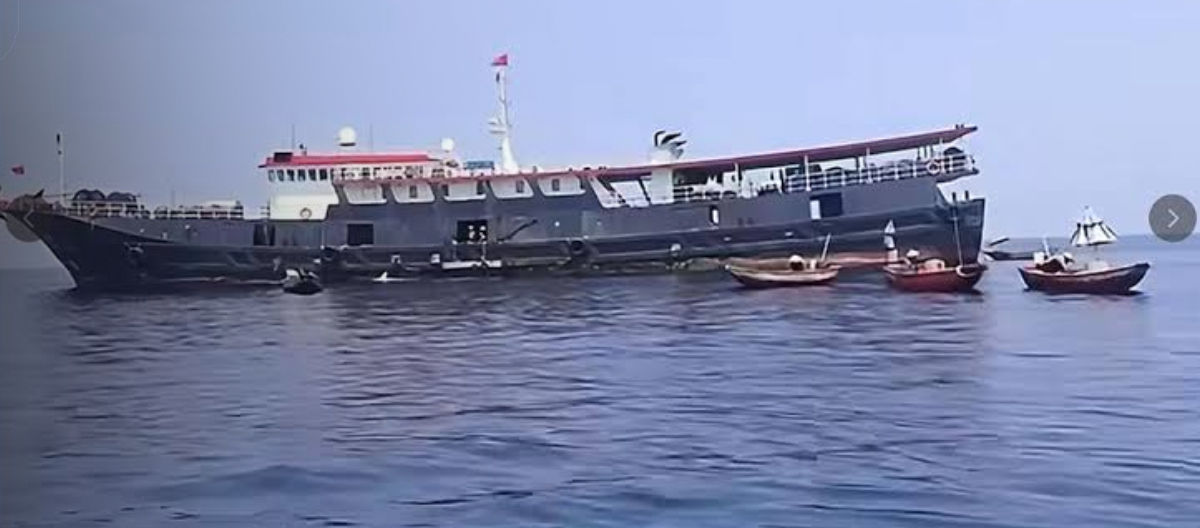
Iran warns shipowners over transit rules in the Strait of Hormuz
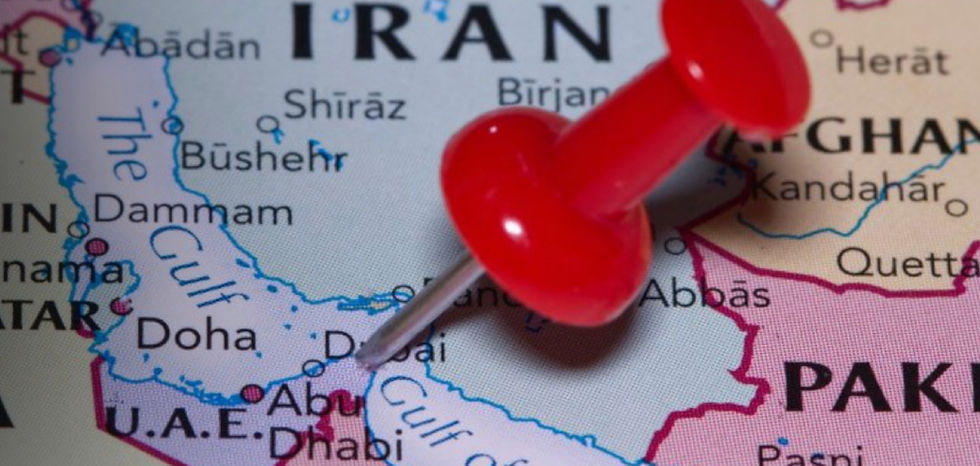
September 30 ------ Iran is doubling down on its claim of authority over the Strait of Hormuz, warning shipowners and charterers that vessels could face restrictions if they fail to comply with its transit requirements.
The latest warning comes as diplomatic efforts to negotiate terms for reopening the strategic waterway have stalled, with US President Donald Trump rejecting conditions put forward by Tehran. The so-called Persian Gulf Strait Authority (PGSA) has warned charterers against directing vessels through what it considers unauthorized routes.
In a recent statement, the authority said such instructions could expose ships, owners, masters and crews to financial and safety risks, while potentially affecting their ability to transit the Strait in the future. The warning also indicated that charterers deemed non-compliant could be added to Iran’s restricted list, with their vessels subsequently facing limitations on passage through Hormuz. The PGSA claims authority over maritime traffic through the Strait and has expanded its non-compliance list to 81 vessels.
Under the authority’s stated rules, ships placed on the list can face measures including fines, detention or confiscation, potentially creating significant operational and commercial risks for shipowners navigating the strategically vital waterway.
The PGSA also released a redacted letter purportedly from a shipowner seeking to have a vessel removed from the list. According to the document, the owner argued that the vessel’s violation resulted from instructions issued by its charterer, rather than the master or owner. The letter claimed the master was placed under significant commercial pressure to proceed with the voyage before completing the procedures required by the Iranian authority. The document also reportedly acknowledged the PGSA’s claimed jurisdiction and expressed regret over the alleged breach.
Meanwhile, efforts to reach an understanding over the reopening of the Strait have faced a setback. Trump rejected Iranian proposals that largely repeated Tehran’s earlier conditions, while asserting that maritime traffic through Hormuz was continuing. He allegedly said that 29 vessels had transited the Strait on the night of 25th September and claimed oil flows from the Gulf had reached record levels. Trump did not address the four vessels reportedly attacked the previous week, instead maintaining that the conflict would end soon and that Iran was losing ground.
Qatar-linked LNG carriers resume Strait of Hormuz transits
According to Reuters, several liquefied natural gas (LNG) carriers linked to QatarEnergy have continued to move through the Strait of Hormuz despite the ongoing US-Iran conflict, with vessels both loaded and in ballast reported entering or exiting the strategic waterway over the past week, according to Reuters, LSEG and Kpler data.
Among the latest vessels to emerge from the Gulf was the GasLog Skagen, which was reported off Sri Lanka on September 27 carrying a cargo loaded at Ras Laffan. The vessel, managed by Greece-based GasLog LNG Services, had remained inside the Gulf since the beginning of the conflict, making deliveries from Qatar to the United Arab Emirates and Kuwait. It was last tracked in the Gulf on September 20.
Another Qatar-linked LNG carrier, Al Shamal, was last recorded inside the Strait on September 19 before reappearing outside Hormuz around September 24–25. Managed by Seapeak Maritime, the vessel is now sailing south of India. Other Qatar-linked carriers have also made their way out of the Gulf. Mesaimeer emerged off Oman on September 23 after loading at Ras Laffan, while Al Ghashamiya delivered its Qatar-origin cargo to Dahej, India, on September 24.
Meanwhile, Al Samriya was reported outside the waterway on September 17. On the same day, Al Daayen, managed by Seapeak Maritime, also emerged from the Strait carrying a cargo bound for Caofeidian, China. Shandong Redwood, operated by Shandong Marine Energy, transited Hormuz on September 19 before delivering its cargo to Pakistan four days later.
The vessel movements indicate that LNG traffic through the Strait has not come to a complete halt despite heightened security risks. At least one carrier also entered the waterway during the latest period. Qatar-linked Al Mafyar, which had last been tracked outside Hormuz on September 19, was subsequently reported inside the Strait in ballast on September 22.
Source: safety4sea.com


Comments