


Cefor: Engine room fires on the rise over the past seven years
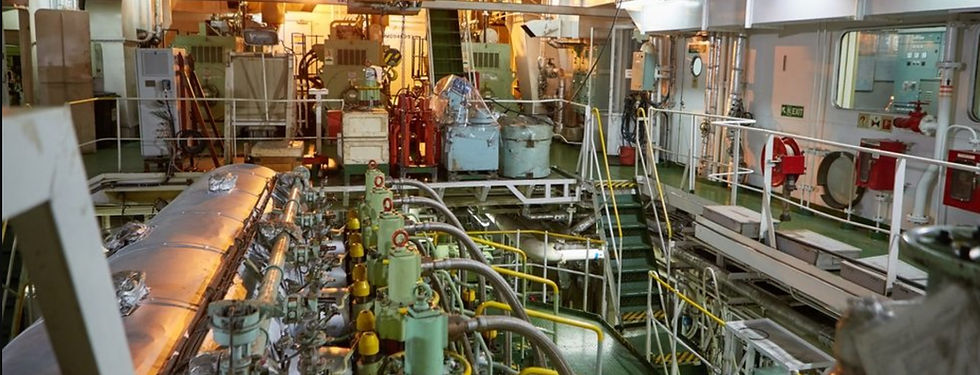
May 17 ------ A new insurance-based analysis from Cefor shows that engine room fire risks in global shipping remain structurally higher than in the past.
Incident levels stabilize at a higher plateau
Engine room fire frequency rose sharply between 2019 and 2021, before stabilizing from 2022 onward. However, even after this stabilization, incident levels remain well above those seen before 2019, suggesting a lasting shift in baseline risk rather than a temporary spike.
At the same time, claim costs have remained consistently elevated since 2019, with most years exceeding pre-2019 levels. Although costs fluctuate more than frequency, the overall financial impact of engine room fires has clearly increased.
Aging ships linked to higher risk and higher costs
One of the report’s strongest findings is the relationship between vessel age and fire risk. Older vessels show both higher frequency of engine room fires and higher average claim costs when incidents occur. Ships older than 15 years are particularly exposed, while the youngest vessels consistently show the lowest risk across all categories. The trend reflects broader concerns about the aging global fleet and its impact on machinery reliability.
Passenger and RoRo vessels most exposed
Risk is not evenly distributed across vessel types. Passenger vessels and container/car/RoRo ships experience 2–3 times higher fire frequency than bulk carriers and tankers. Passenger ships record the highest and most volatile claim costs, while container/car/RoRo vessels show a strong long-term upward trend in fire-related costs over the past 15 years. Bulk carriers and tankers generally show lower frequency and more moderate cost increases, highlighting clear segmentation in risk exposure across the fleet.
Combined age and vessel-type effects amplify losses
When vessel age and type are analyzed together, the highest-cost combinations become more visible. Container/car/RoRo vessels over 5 years old show particularly high costs, while bulk and tanker vessels over 20 years also face elevated losses. Passenger vessels aged 15–20 years show peak cost levels within their segment. Across all vessel types, newer ships consistently experience the lowest losses, reinforcing the strong age-risk correlation.
Technical causes and industry response
The report highlights fuel system issues, particularly leakage from low-pressure fuel pipes, as a known contributing factor in engine room fires. This issue has been raised by technical experts within Cefor and is being discussed with classification and regulatory bodies including International Association of Classification Societies (IACS) and the International Maritime Organization (IMO).
Data basis
The findings are based on hull and machinery insurance claims reported by Cefor members to the Nordic Marine Insurance Statistics (NoMIS) database, covering losses above USD 10,000 and including estimates for incurred-but-not-reported claims up to December 2025.
Source: safety4sea.com


Comments