


BIMCO: Scam alerts and ship attacks highlight volatile security in Hormuz
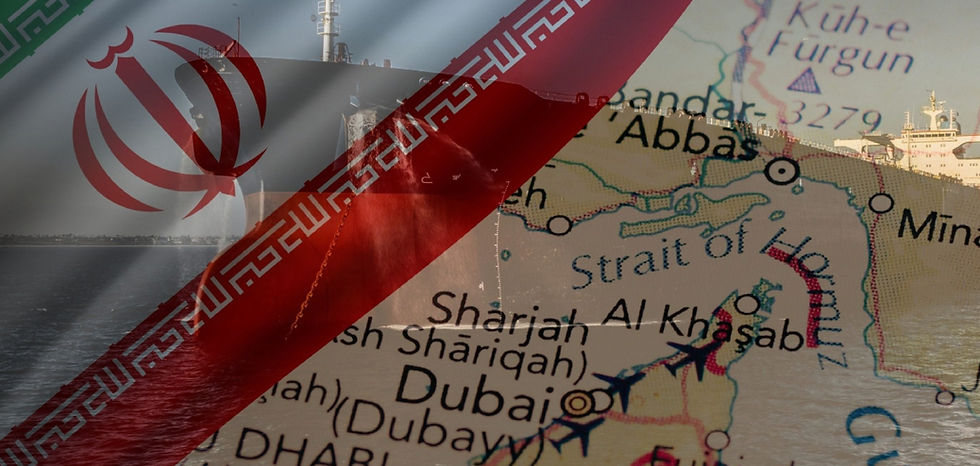
April 27 ------ BIMCO has issued a statement outlining escalating maritime tensions and security risks impacting global shipping in the Strait of Hormuz. Two weeks into the US-Iran ceasefire, the Strait of Hormuz is operating only in a limited and highly unstable manner. Initial signs of reopening were quickly overshadowed by renewed closure signals, attacks on vessels and widespread course reversals. Enforcement by the United States has intensified, shifting from monitoring a blockade to actively intercepting ships, with operations now extending into the Gulf of Oman and surrounding areas, according to Windward. Meanwhile, the International Maritime Organization (IMO) is preparing a plan to evacuate around 800 vessels still stranded in the strait, according to its Secretary-General comment on Singapore Maritime Week.
At the same time, the International Transport Workers’ Federation (ITF) has strongly condemned the recent surge in attacks and vessel seizures involving civilian shipping, calling on all sides to immediately stop using commercial ships as tools of conflict.
BIMCO’s Jakob Larsen, Chief Safety & Security Officer has commented on the security situation in the Strait of Hormuz. Insights or information regarding reports of a potential scam from parties claiming to be Iranian authorities and demanding toll:
• BIMCO has received reports of an email scam, but still awaiting confirmation that this was in fact a scam.
• The fact that ships were attacked following apparent Iranian approval to transit underscores the complexity and volatility of the current security situation.
What is the current security situation in the Strait of Hormuz and how has it developed in recent days:
• Iran is blockading the Strait of Hormuz against what they perceive as hostile ships. Ships perceived friendly or neutral are not blockaded by Iran, but such ships can only transit via a route defined by Iran close to the Iranian coast.
• The US is enforcing a blockade against ships to and from Iranian ports. The US naval assets are enforcing the blockade from the Gulf of Oman as it is still too dangerous for US warships to operate inside the Strait of Hormuz.
• As part of their blockade, the US has attacked and detained one Iranian containership and has forced several other ships to turn back. Iran has attacked and detained two containerships and has forced several others to abort transit attempts through the Strait of Hormuz.
• While it is comforting to know that no crew have been injured in these attacks, it is deeply worrying that ships are attacked and ships and crew are used as bargaining chips in the confrontations.
• BIMCO urges all parties of the conflict to show restraint and help protect innocent seafarers.
What does the shipping industry need to resume transits:
• For most shipping companies, they will need a stable ceasefire and assurances from both sides of the conflict that the Strait of Hormuz is safe to transit.
• In terms of the prospects of returning to pre-conflict traffic patterns, the mine threat is of particular concern.
• Given the Iranian indications that mines have been laid in parts of the Strait of Hormuz, a mine clearance effort will most likely be needed to fully re-open the Strait.
• It is not clear exactly how long such mine clearance will take but it is likely that it will take several weeks.
• In the meantime, shipping will be restricted to using routes close to Iran and Oman. Due to their confined nature, these routes cannot safely accommodate the normal volumes of shipping through the Strait of Hormuz.
The closure of an international strait violates international law and undermines the principle of freedom of navigation established under the United Nations Convention on the Law of the Sea (UNCLOS). Such actions disrupt global trade and threaten the prosperity of nations, while attacks on civilian vessels endanger innocent seafarers, who should never be treated as collateral in times of conflict.
Source: safety4sea.com


Comments