


BIMCO: LR2 tankers shift to crude amid Hormuz disruption

October 11 ------ Clean product volumes loaded on LR2 tankers fell 28% year-on-year during the first nine months of 2026, following disruptions in the Strait of Hormuz, while ton-mile demand increased by 2%, according to BIMCO.
Persian Gulf volumes plunge
LR2 product tankers loaded an average of 2.1 million barrels per day (mbpd) of clean products during the first three quarters of 2026, down 0.8 mbpd from the same period in 2025. The decline was largely linked to reduced volumes from the Persian Gulf. In 2025, more than 40% of clean products carried by LR2s were loaded in the region, equivalent to 1.2 mbpd.
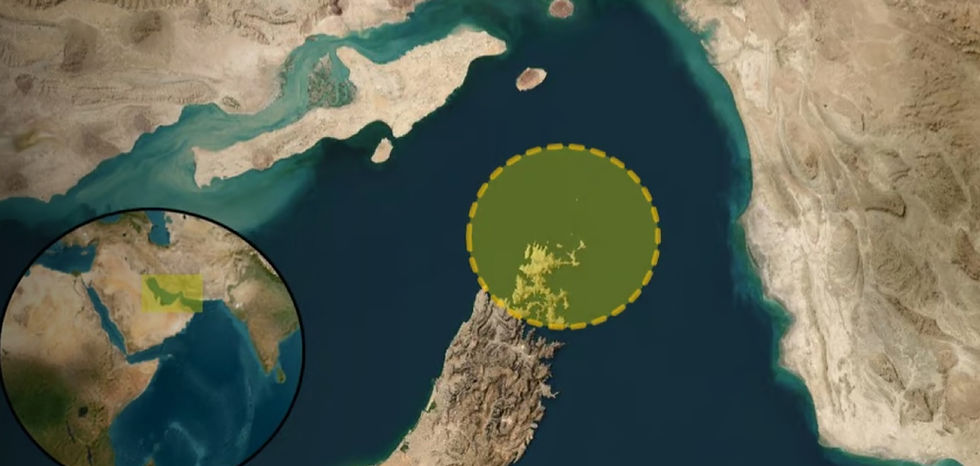
Following the effective closure of the Strait of Hormuz, this fell to 0.4 mbpd in 2026, representing just 18% of total clean product volumes loaded on LR2s.
LR2s turn to crude and heavy products
The decline in clean products was more than offset by increased crude oil and heavy product volumes. These averaged 5.1 mbpd during the first nine months of 2026, up 1.8 mbpd year-on-year.
As a result, total volumes loaded by LR2s increased by 1.0 mbpd, or 15%, compared with the first nine months of 2025, according to BIMCO Chief Shipping Analyst Niels Rasmussen. Despite the higher cargo volumes, ton-mile demand increased by only 2%, as the average sailing distance fell 12%. Volumes lost from the Persian Gulf had been carried on longer-than-average trades, while replacement cargoes were generally moved over shorter distances.
Americas and Mediterranean drive growth
Higher volumes from the Mediterranean and the Americas accounted for 80% of the increase in crude oil and heavy product cargoes, with LR2s gaining volumes across almost all loading regions.
In the US and Canada, LR2 volumes of crude and heavy products increased faster than overall exports from the two countries. LR2s also captured nearly 30% of the increase in Venezuela’s crude oil and heavy product exports. The largest gains were recorded on trades from the US Gulf to North Europe, Venezuela to the US, Canada’s west coast to North Asia and North Africa to Italy.
Overall, the average sailing distance for crude oil and heavy products carried by LR2s was 33% shorter than for clean products. "The increase in crude oil and heavy product volumes carried by LR2s since the second quarter of 2025 has coincided with an 18% expansion in LR2 fleet capacity. A large order book and limited recycling potential are expected to drive further fleet growth in the coming years," said Rasmussen, adding that by contrast, a smaller order book and greater recycling potential will continue to limit growth in the Aframax crude tanker fleet. We therefore expect LR2s’ dependence on crude oil and heavy product exports to continue.
Source: safety4sea.com


Comments